
Oct22
SHELF STABLE FRIES HIT MARKETPLACE
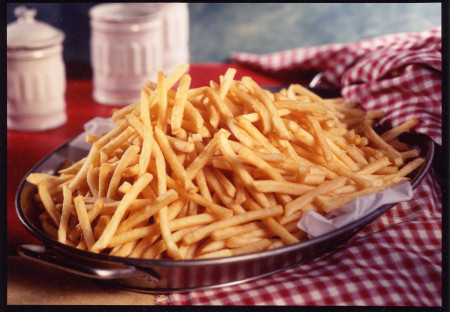
Packaged food startup Farther Farms, backed with $10 million in capital from the National Science Foundation and other investors in the US such as Shake Shack COO Zachary Koff, has created a new food preservation process that it hopes could make the cold chain moot for traditionally frozen or refrigerated packaged food products.
The company’s first product, a precut, ready-to-fry French fry, which uses a CO2 food pasteurization technology to keep the fry shelf-stable for months without requiring a freezer or refrigerator. The company is selling to restaurants such as The Hideaway in Rochester, New York, and the farm-to-table restaurant Heritage 147 in Larchmont, New York, as well as other distributors. The company is initially focusing on the French fry but plans to explore preserving other food products this way in the future.
Farther Farms said the process it uses is similar to a typical pasteurization process for milk or canning that uses hot water and steam. Instead, it uses the supercritical phase of CO2, when the molecule is both a gas and a liquid at the same time. The pasteurization is done under high pressure but moderate temperatures, unlike high-temperature steam pasteurization.
According to Farther Farms, the technology can work on many types of ready-to-cook foods, including fruits and vegetables, liquid and semi-solid foods, and meat and plant-based meat alternatives.


